
What is an account statement?
An account statement (cari ekstre) is a ledger report listing, in date order and over a specific date range, all the debit and credit transactions between you and a customer or supplier. Each line has the date, description, debit, credit and the running balance up to that point; the amount at the end of the statement is that company's current balance. The statement's main job is reconciliation: when the two sides' statements are compared, you can see which transaction the difference comes from.
What columns does a statement have?
Whether it's called “cari ekstre”, “account statement” or “ledger report”, the information it carries is the same:
| Column | What it shows |
|---|---|
| Date | The day the transaction took place. The statement is sorted by this column. |
| Description / document no. | What the entry is: an invoice number, “cash payment received”, “return”. This is the column that settles disputes. |
| Debit | The amount the other party owes you: the sales invoice you issued is entered here. |
| Credit | An amount that reduces the debt: a payment you received, a return or a discount. |
| Balance | The net position accumulated up to that line — the running balance. |
How do you read a sample statement?
Let's follow a customer's two-week statement line by line:
| Date | Description | Debit | Credit | Balance |
|---|---|---|---|---|
| 01.09.2026 | Opening balance | — | — | 12.000 ₺ |
| 03.09.2026 | Sales invoice A-1471 | 18.500 ₺ | — | 30.500 ₺ |
| 08.09.2026 | Cash payment received | — | 10.000 ₺ | 20.500 ₺ |
| 11.09.2026 | Return — 2 boxes | — | 1.500 ₺ | 19.000 ₺ |
| 14.09.2026 | Sales invoice A-1512 | 7.250 ₺ | — | 26.250 ₺ |
You read it in this order: the opening balance is the debt at the start of the period (12.000 ₺). Each debit line increases the balance, each credit line decreases it. The 26.250 ₺ on the last line is this customer's current debt. You don't need to calculate the subtotals by hand — if you want to check, add the total of the debits to the opening balance and subtract the total of the credits: 12.000 + 25.750 − 11.500 = 26.250 ₺.
What is a statement used for?
Reconciliation. This is where it is used most. You send the statement to the other party, the two lists are placed side by side and the item that doesn't match is found. Sharing just the balance figure almost never suffices. We explained the whole process, from setting the cut-off date to finding the difference, step by step on the how to reconcile accounts page. Ready-made email and request letter texts for asking the other party for a statement or sending your own are on the how to request an account statement page.
Closing an account. When you finish working with an account, both sides should hold the same document; the statement is what prevents the later “there was one more invoice” argument.
Collection calls. When you call about an overdue receivable, you have ready which invoice was issued when and how much of it has been paid; the conversation rests on the document, not on haggling over the amount.
Auditing your own records. While reading the statement, a missed payment or an invoice entered twice is easy to spot. For a customer whose balance has grown unexpectedly, you look at the statement first.
How do you get an account statement?
With Excel: you open one sheet per account, fill in the date, description, debit and credit columns, and run the balance column with a cumulative sum formula. You can use the ready-to-go free account ledger Excel template; if you're looking for a ready statement to send to a single account, the account statement sample (Excel) can be filled in directly. The limit is this: as the number of accounts grows, so does the number of sheets, and choosing a date range becomes manual work.
With the app: in Account Ledger: Debt & Credit you open the customer card, choose the date range and get the statement; debit, credit and running balance come already calculated. Overdue transactions also show on the same screen. If you want to manage it in one program together with inventory and sales, Ofisx; if you keep a customer credit ledger in retail, Customer Credit Tracker may be a better fit. You can see which suits you on the comparison page.
Three mistakes made when producing a statement
1. Leaving the description field empty. A line that has a date and an amount but doesn't say what it is for is useless in reconciliation. Write the invoice number or a short description when you record the entry.
2. Sending a date range without the opening balance. If you share a statement starting on September 1 without an opening balance line, the other party sees the balance as incomplete and the reconciliation doesn't match from the very start.
3. Keeping the same company on two cards. When two cards are opened as “Yilmaz Trading” and “Yilmaz Trading Ltd.”, the statement is split and neither shows the real balance. Checking the tax ID number when opening a card prevents this.
We covered the whole debit-credit logic, how the running balance is built and due date tracking on the what is an account (cari hesap) page.
Frequently asked questions
Are an account statement and an account the same thing?
No. The account (cari hesap) is the debit-credit relationship with a company itself; the account statement is the listing of that account over a specific date range. The account is ongoing; the statement is a snapshot of it.
What does opening balance mean on a statement?
It is the net result of all transactions before the date range you chose. If the statement starts on January 1, the amount that company owed you on the evening of December 31 appears on the opening balance line; this is the first line of the statement.
What does the balance at the end of the statement show?
It shows the amount left after all debit and credit transactions in the period have been added to the opening balance. If it's positive, the other party owes you; if it's negative, you owe them or an overpayment has been collected.
Is a statement required for reconciliation?
It isn't required, but the statement is what finishes the reconciliation. Just telling the other party “your balance is 48.500 ₺” prolongs the discussion; when you send the list of transactions, the invoice where you diverged is found in a few minutes.
What should you do if the two sides' statements don't match?
Look for the difference by date, not by total: bring the two statements to the same date range and compare the number of invoices and payments. The difference usually comes from one of three things — a payment that one side hasn't posted, an invoice entered twice, or a return/discount recorded on only one side.
How often should I produce a statement?
For accounts you work with regularly, monthly reconciliation is a practical habit. Don't wait on accounts whose balance is growing or whose payments have started to run late; the earlier a difference is found, the easier it is to resolve.
Last updated: 2026-09-08
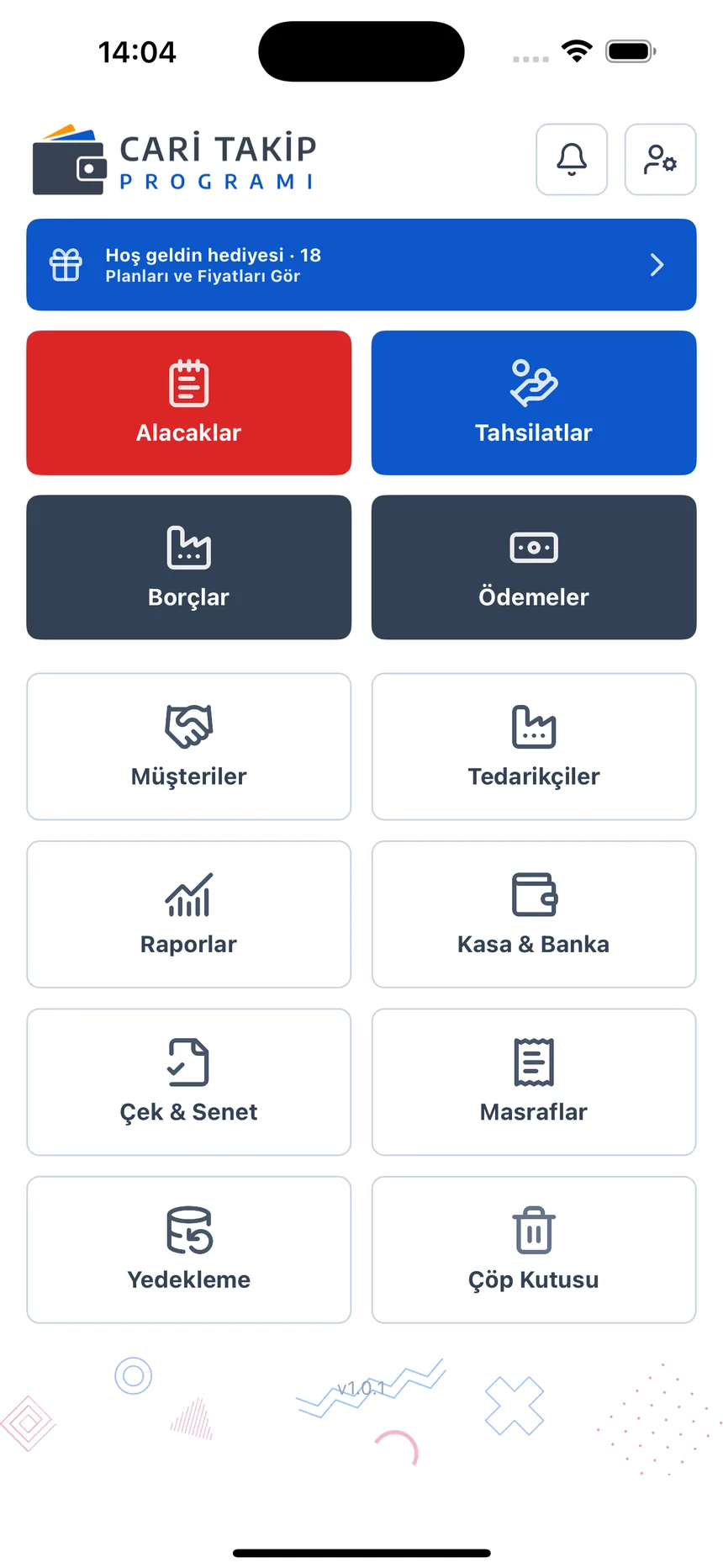
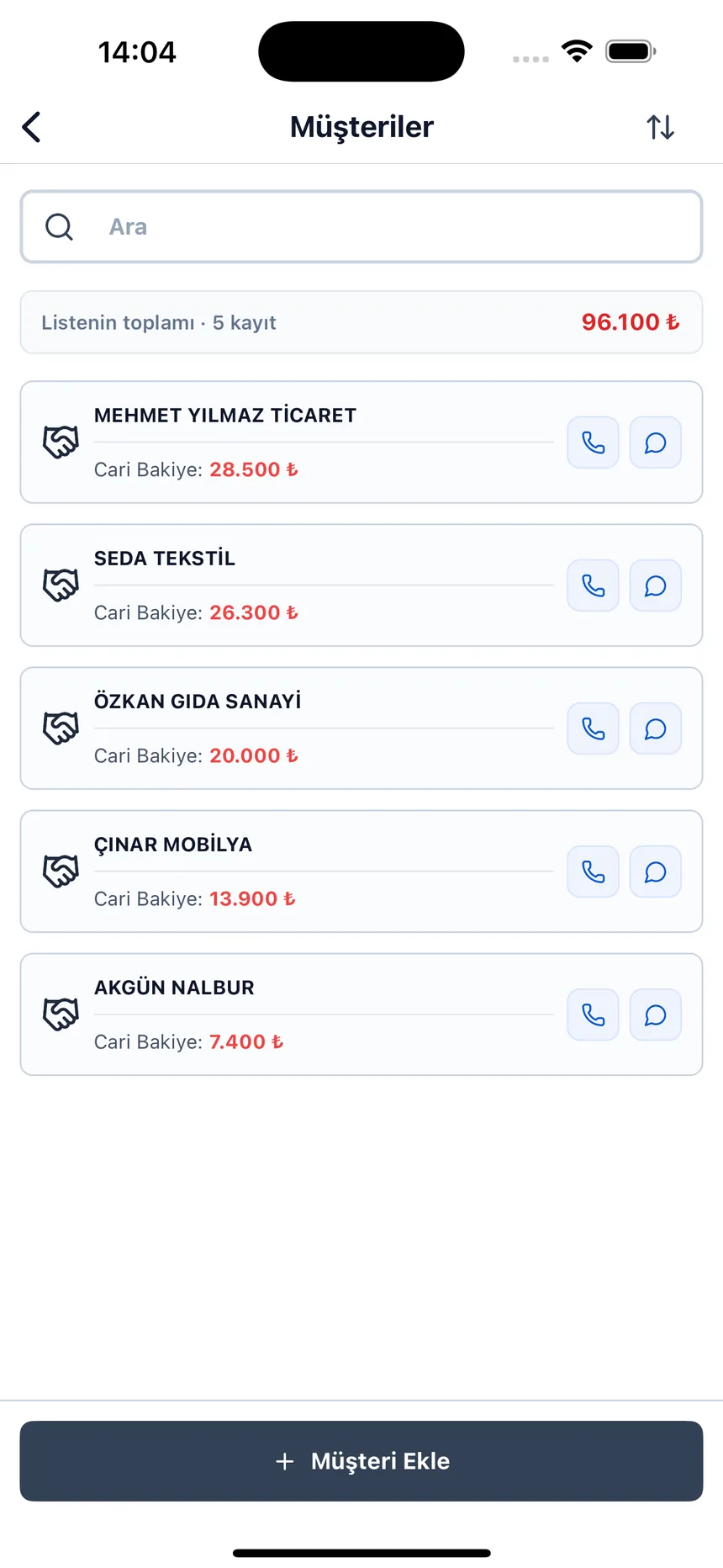
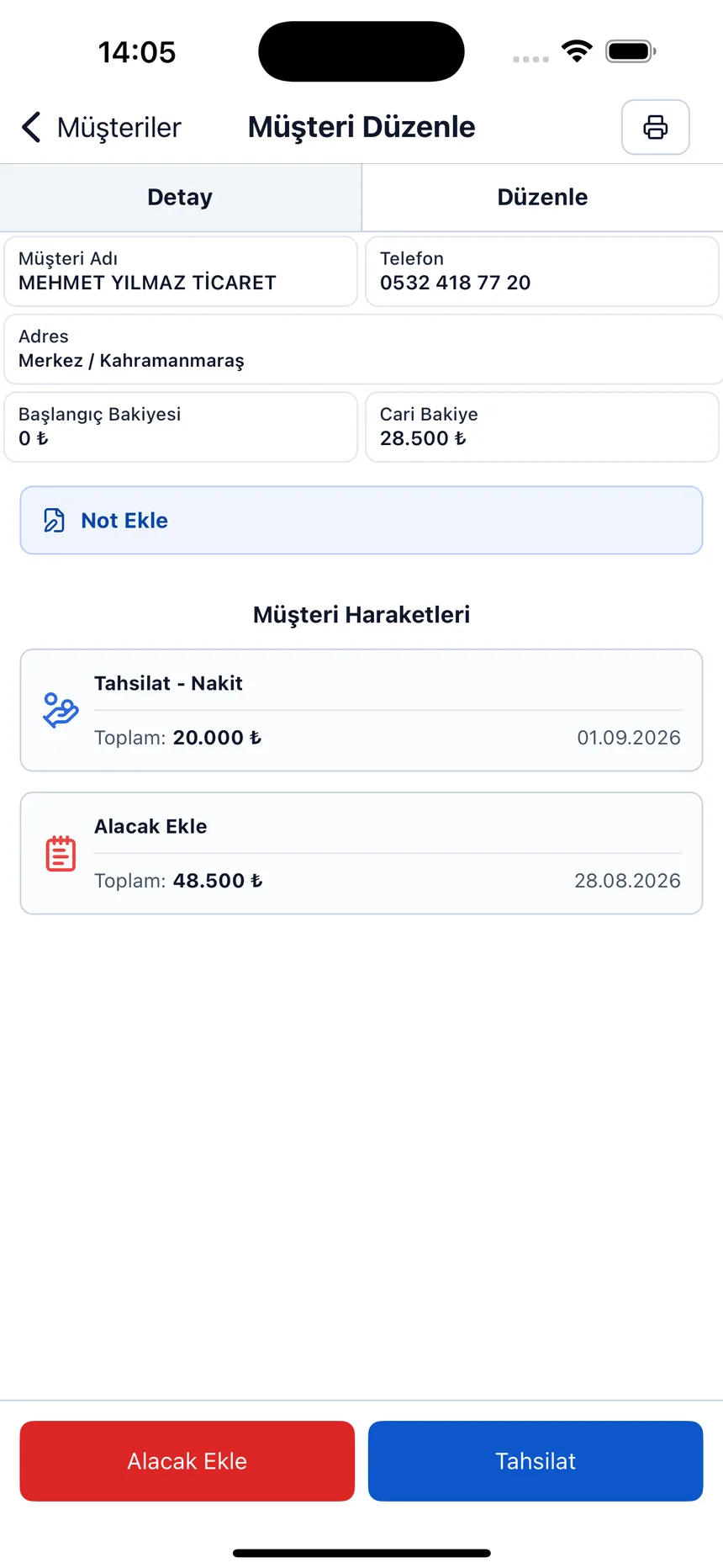
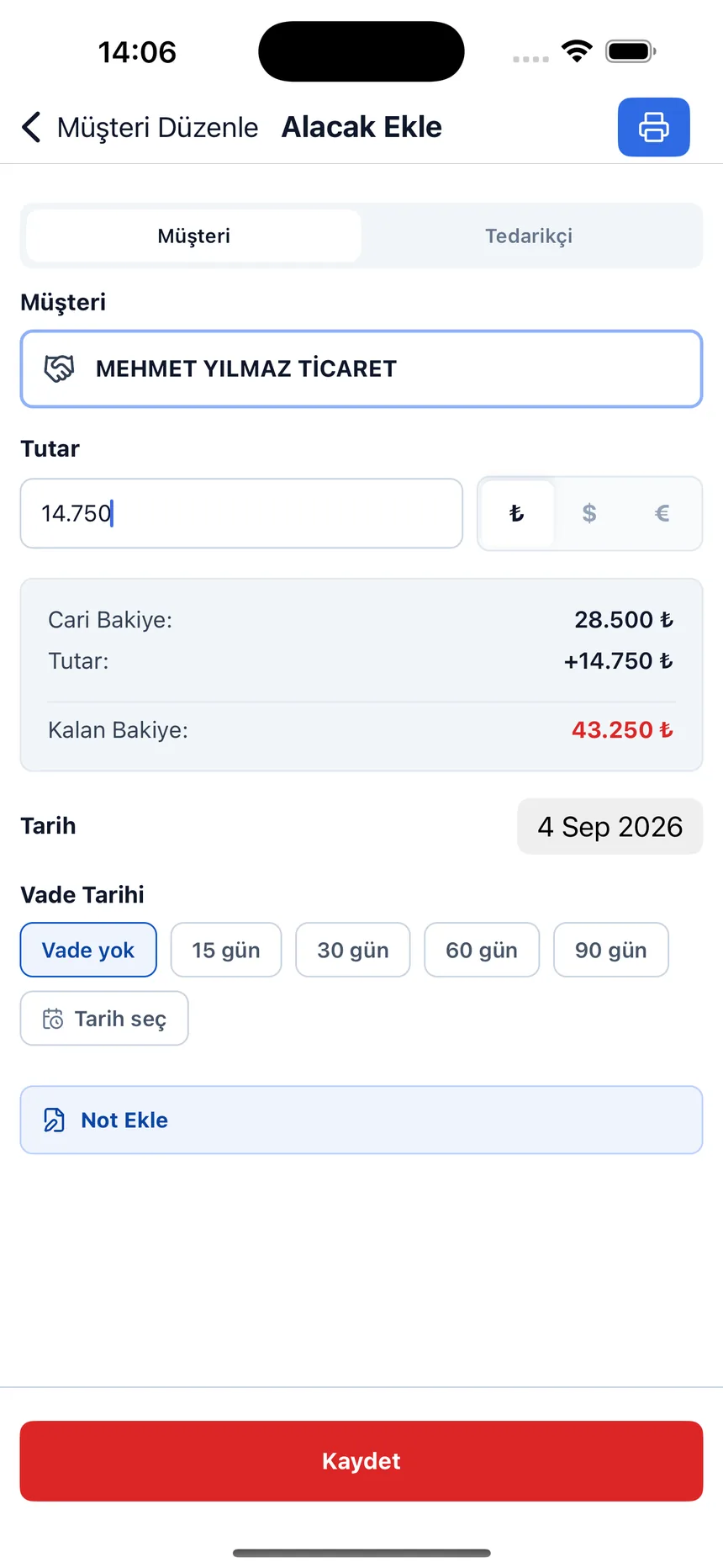
The statement screen in the app
All transactions for one account, in date order with their running balance.
Stop preparing your statements by hand
Open a free account and create your account cards; when you choose the date range, the statement comes ready.